9 ways to wind down after work
If only we could “split” our minds like in Severance, right? Flip a mental switch at 5pm, leaving emails, meetings, and to-do lists locked away in a separate compartment. Unfortunately, we don’t have the luxury of that sci-fi technology, but there are plenty of ways to help your brain transition fro
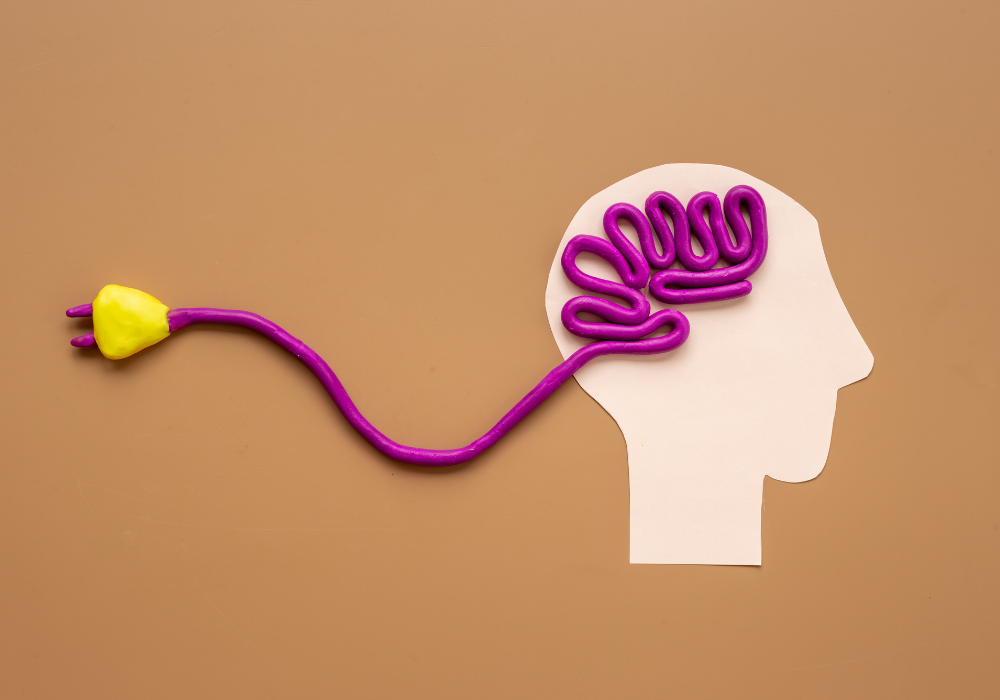
How to turn off your "work brain"
If only we could “split” our minds like in Severance, right? Flip a mental switch at 5pm, leaving emails, meetings, and to-do lists locked away in a separate compartment. Unfortunately, we don’t have the luxury of that sci-fi technology, but there are plenty of ways to help your brain transition from work mode to relaxation mode.
Here are nine tried-and-tested tips to leave your 9-5 at the office and enjoy some much-needed downtime.
1. Create a clear end-of-day routine
Set a specific ritual that signals the end of your workday. It could be as simple as closing your laptop with an audible sigh, writing a “done” list of everything you’ve managed to tick off, or changing out of your work clothes. This is especially important if you work from home, where there’s no commute to mark the shift from office mode to relaxation. Think of it as creating your own “commute” - even if it’s just a few steps to your favourite armchair.
2. Have a "commute ritual"
For those who drive, take public transport, or walk to the office, use your commute to start shifting gears. Even if it’s just a 10-minute journey, it can be the perfect time to reflect on the day (but not work!), listen to a podcast, or practise a bit of mindfulness. Treat your commute as a mental boundary between work and home.
3. Move your body
A bit of movement helps reset your mind. No need to hit the gym like you’re training for the Olympics. A brisk walk around the block, a few yoga stretches, or even a spontaneous dance party in your living room can work wonders. Getting your body moving signals to your brain that it’s time to switch gears.
4. Switch up your environment
For those who work from home, this is super important. If you can, physically move to a different room or space once your workday is over. If that’s not an option, even something as simple as rearranging your desk or lighting a calming candle can help signal to your brain that it’s time to leave the spreadsheets behind and embrace relaxation mode.
5. Set screen-time boundaries
It’s so tempting to check one last email or sneak a quick peek at work messages after hours. But before you know it, you’ve spent an extra hour scrolling through Slack. Set a firm time boundary - maybe even set an alarm that dings at 5pm as your official sign to log off. Switch off email notifications and close those work apps. The email will still be there tomorrow, I promise. Your evening is yours.
6. Declutter your workspace
You know that feeling when you come back to a tidy desk? It’s like a fresh start. Take five minutes to clear away papers, put away that coffee cup (you know the one), and tidy up. A clean workspace signals to your brain that your work is over and you’re ready to begin your evening. Plus, you don’t want to start tomorrow's work day with a pile of chaos.
7. Reset your mind with mindfulness
Take five minutes to reset. Whether you meditate, breathe deeply, or simply sit in silence, a few minutes of calm can work wonders. Mindfulness can help reduce work-related stress by calming the mind, improving focus, and boosting your ability to stay present. Fully unwind and enjoy your personal time without the weight of the workday lingering over you.
8. Engage in a relaxing hobby
What’s your go-to “I need to unwind” activity? Reading a book, trying out a new rocky road recipe, or picking up your knitting needles? Whatever it is, make sure you have an easy hobby to slip into after work. It’s the perfect way to take your mind off the office and give yourself something creative or calming to focus on.
9. Limit evening work-related conversations
Talking business after hours can be an easy trap to fall into, especially if you and your partner are both in the same line of work. While it’s nice to vent or share a victory, try to set boundaries. Maybe you only discuss work for an hour after dinner, and then after that it’s all about your new favourite Netflix show or debating which pizza topping is superior.
By setting boundaries, practising mindfulness, and making intentional transitions, you can unplug from work and reconnect with the present moment. Leave work at the door — it’ll still be there tomorrow (unfortunately, those bills won’t pay themselves).